Blog
What Are the Benefits of Using an Oxygen Concentrator?

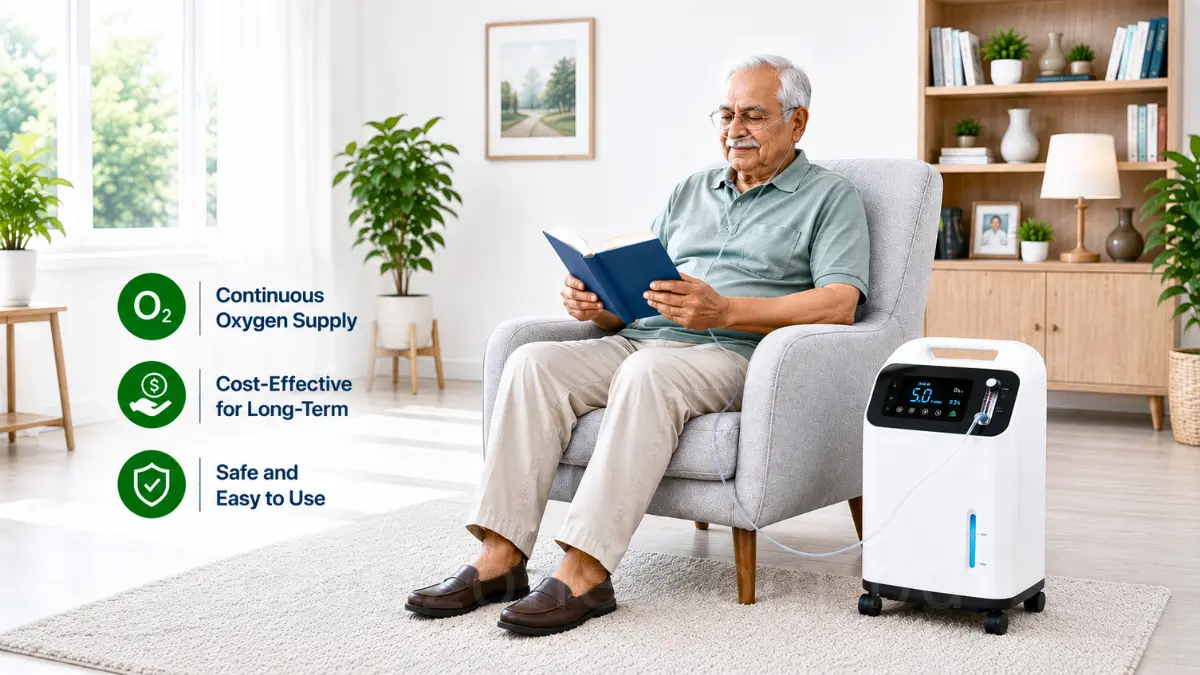
If you are living with respiratory conditions that make breathing difficult, an oxygen concentrator may become an essential part of your home healthcare, and you should know the benefits of using an oxygen concentrator.
This guide explains how oxygen concentrators help, how they compare with oxygen cylinders, and more. If you are thinking about oxygen concentrator prices to purchase or rent, know the benefits first. Then make a smarter and safer decision.
Key Benefits of Using an Oxygen Concentrator
An oxygen concentrator supports long-term oxygen therapy and reduces many challenges of traditional oxygen therapy methods. Check the most important benefits of using an oxygen concentrator.
- No monitoring required
- No refilling required
- No need to worry
- Greater peace of mind
One of the greatest benefits of using an oxygen concentrator is its ability to provide a continuous, stable oxygen supply. Continuous oxygen delivery is crucial for patients with chronic obstructive pulmonary disease (COPD), pulmonary fibrosis, severe asthma, or other chronic lung disorders.
Unlike an oxygen cylinder, which stores a limited amount of compressed oxygen, a concentrator continuously extracts oxygen from the surrounding air. It separates nitrogen and continuously delivers oxygen-rich air to the patient.
This process eliminates the need for frequent oxygen cylinder refills or replacements. You do not have to worry about oxygen running out unexpectedly. You don’t need to monitor remaining oxygen levels constantly or worry about emergency refills during holidays or bad weather.
Having a reliable oxygen source provides peace of mind. As long as electricity or a stable power source is available and the machine receives proper maintenance, it continues producing oxygen for extended periods. Both patients and caregivers feel more confident knowing oxygen is always available.
Note: The World Health Organization (WHO) recognizes oxygen as an essential medicine, while the Global Initiative for Chronic Obstructive Lung Disease (GOLD) recommends long-term oxygen therapy for eligible patients with severe chronic hypoxemia.
2. Consistent High Oxygen Purity
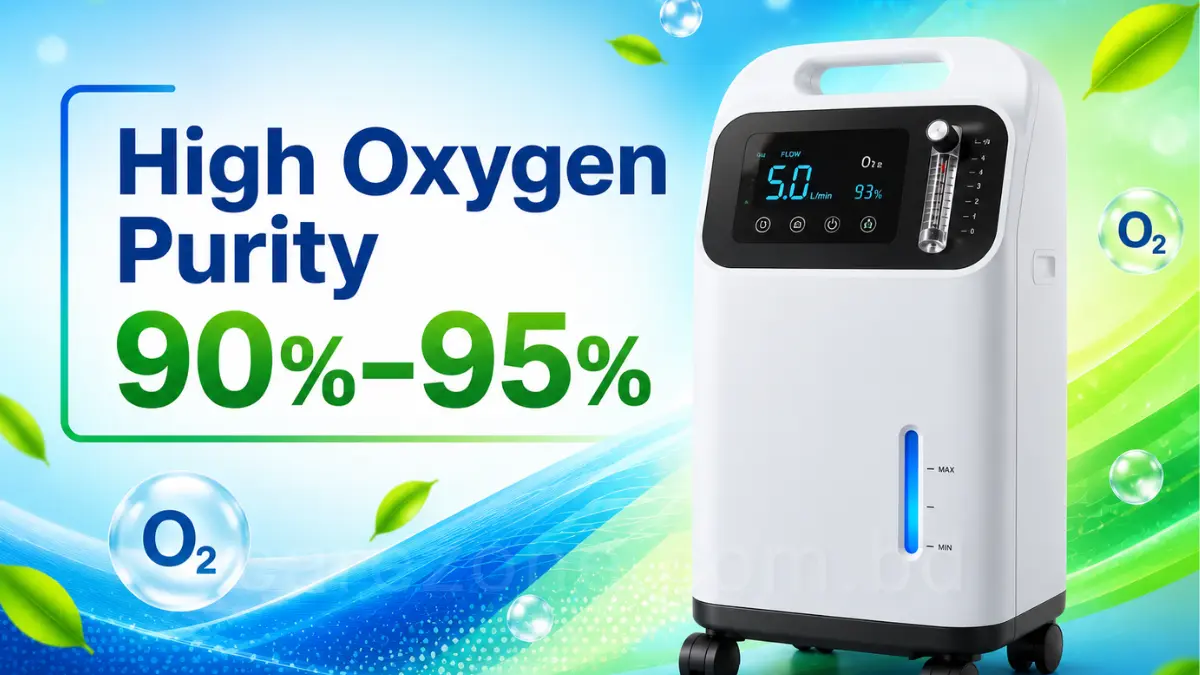
- 90%–95% pure oxygen
- Reliable consistency
- High-efficiency
Quality oxygen concentrators typically deliver 90%–95% oxygen, depending on the model and prescribed flow rate. Many premium units continuously monitor oxygen purity and will alert you if performance falls below acceptable levels.
Reliable oxygen therapy depends not only on oxygen flow but also on consistent oxygen concentration. This consistency helps physicians provide predictable oxygen therapy based on your need. Stable oxygen delivery is important if you depend on supplemental oxygen every day.
Modern concentrators achieve this using molecular sieve technology that continuously separates nitrogen from ambient air. However, you should do regular maintenance to ensure your oxygen concentrator continues operating efficiently.
3. Cost-Effective for Long-Term Use
- No cylinder refilling cost
- No cylinder replacement cost
- No frequent transport cost
Although an oxygen concentrator requires an initial purchase, it will become more economical than repeatedly refilling oxygen cylinders over several months or years. This is one of the big benefits of using an oxygen concentrator for a long time.
A concentrator generates oxygen directly from room air. You don’t have to incur recurring refill charges, cylinder replacement costs, or transport costs every time oxygen is used. Routine expenses usually include electricity, scheduled servicing, and occasional filter replacement. These costs are generally lower than continuous cylinder refills if you or your patient requires daily oxygen therapy.
You should consider the long-term operating expenses rather than only the purchase cost. Using oxygen for several hours every day may recover your investment over time by eliminating refill expenses.
When you evaluate different models, you may compare the oxygen concentrator machine prices along with warranty coverage, service availability, and maintenance costs. Look beyond the initial purchase price to ensure better long-term value.
4. Safer than Oxygen Cylinders
- No oxygen cylinder inside your home
- Several built-in safety features
- Built-in safety alarms
- Reduced safety concerns
Oxygen concentrators provide you with another important advantage by eliminating the need to store an oxygen cylinder inside your home that holds a large quantity of compressed oxygen.
Medical oxygen cylinders contain oxygen under very high pressure. They are safe if you handle, transport, replace, and store carefully and correctly. Mishandling can increase safety risks, especially in households unfamiliar with compressed gas equipment.
On the other hand, an oxygen concentrator machine produces oxygen only as needed. It does not store high-pressure oxygen internally, reducing safety concerns associated with cylinders.
Most modern concentrators also include several built-in safety features, including power failure alarms, low oxygen purity alerts, overheating protection, pressure monitoring, and system fault notifications.
These safety systems will help you identify problems quickly and respond appropriately. Combined with routine maintenance and proper operation, your device will ensure safer oxygen therapy at home.
5. Easy to Operate for Home Care
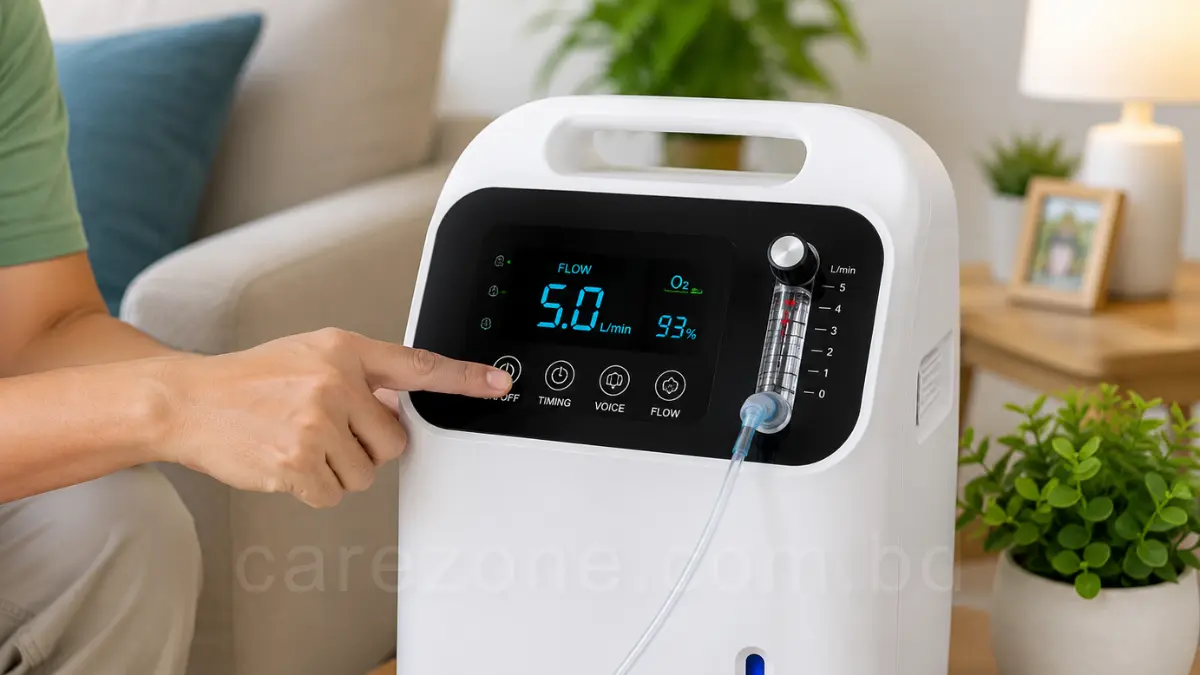
- User-friendly control panels
- Clearly labeled flow meters
- Easy operating process
- Easy maintenance
Today’s oxygen concentrators are designed with simplicity in mind. Most models include easy-to-read control panels, clearly labeled flow meters, and straightforward operating instructions.
You can learn basic operation during a short demonstration from a qualified oxygen concentrator supplier or healthcare professional. Daily operation generally involves checking the power supply, ensuring adequate ventilation, setting the prescribed oxygen flow, and cleaning filters when needed.
This ease of use makes concentrators suitable for patients receiving long-term care at home. Patients appreciate having equipment that requires minimal technical knowledge. Healthcare providers also find them easier to integrate into daily patient care compared to managing oxygen cylinders.
Also read: How to Use an Oxygen Concentrator Machine
6. Improved Mobility and Independence
- Greater independence
- Better mobility
- Increased confidence
- Reduced anxiety
- Improved emotional well-being
Living with a respiratory disease should not prevent you from maintaining an active lifestyle. Modern oxygen concentrators, particularly portable models, will allow you to remain more independent.
Portable oxygen concentrators are compact, lightweight, and designed for mobility. Depending on the model, they may operate using rechargeable batteries, allowing you to leave home for appointments, family visits, or light outdoor activities.
Even stationary concentrators improve independence. You no longer need frequent cylinder deliveries or emergency refill arrangements. Instead, oxygen therapy becomes a normal part of your daily life at home.
Greater independence often has psychological benefits as well. You will frequently experience increased confidence, reduced anxiety, and improved emotional well-being when you can manage your oxygen therapy with less dependence on others.
7. Supports Better Quality of Life
- Full participation in everyday life
- Reduction of physical strains
- Reduced breathlessness
- Improved sleep quality
- Enhancement of overall comfort
The ultimate purpose of oxygen therapy is not simply to increase your oxygen levels. It will help you live more comfortably and participate more fully in everyday life. Improved oxygenation will also help reduce unnecessary physical strain on your body.
Appropriate oxygen therapy may reduce your breathlessness during daily activities, improve sleep quality, increase exercise tolerance, reduce fatigue caused by chronic hypoxemia, and enhance overall comfort. You will often perform basic activities more easily after following your prescribed oxygen therapy plan.
If you require an oxygen machine for home use, having access to dependable oxygen therapy will support greater confidence and allow you to remain in familiar surroundings instead of frequent hospital visits.
By maintaining social activities and daily routines, you also contribute to a better quality of life, which is an important goal of long-term respiratory care.
When combined with physician supervision, medication adherence, pulmonary rehabilitation, and healthy lifestyle choices, oxygen concentrators contribute significantly to comprehensive respiratory care.
How to Choose a Reliable Oxygen Concentrator?
- First, determine the required oxygen flow rate, either a 5-liter or 10-liter concentrator, depending on the patient’s medical condition.
- Next, evaluate key features such as oxygen purity, operating noise, electricity consumption, humidifier compatibility, and available safety alarms.
- Purchase only from a reputable seller that offers installation support, warranty, after-sales service, spare parts, and technical maintenance.
- Verify some vital information such as the model number, certification, manufacturer information, and warranty documents.
- Ask for a product demonstration. Learn how to clean filters, replace accessories, monitor alarms, and perform routine maintenance.
- Finally, choose a suitable machine that fits your daily lifestyle and meets your oxygen requirements.
Note: You can get all the above-mentioned benefits of using an oxygen concentrator with a quality device. So, choose the right oxygen concentrator with your physician’s prescription and user reviews. Never select a machine based solely on popularity, features, or price.
Can an Oxygen Machine Replace an Oxygen Cylinder?
Not always – during power outages, emergencies, transportation, and where electricity is unavailable.
Oxygen concentrators are ideal for many patients who require long-term oxygen therapy at home. But some emergencies or patients needing very high oxygen flow may still require medical oxygen cylinders or hospital-based oxygen systems.
For patients requiring long-term oxygen therapy at home, concentrators are often the preferred option. They provide a continuous oxygen supply without requiring regular cylinder refills. This makes daily treatment more convenient and cost-effective for chronic respiratory conditions.
On the other hand, oxygen cylinders continue to play an important role as valuable backup during power outages, emergencies, transportation, or situations where electricity is unavailable. Some critically ill patients may also require oxygen flow rates or delivery methods that are more suitable for cylinders.
Note: Your physician should determine which option is appropriate based on your medical condition. The healthcare provider will determine which option best matches your needs after evaluating your oxygen saturation, diagnosis, activity level, and treatment goals.
Conclusion
The major benefits of using an oxygen concentrator are many, and these benefits make it a valuable solution for your needs of home oxygen therapy.
To ensure you get all the benefits, choose the right concentrator, follow your physician’s guidance, right usage practices, and maintain the machine properly.
Make home oxygen therapy safer, more comfortable, and more effective with a reliable oxygen machine.
Frequently Asked Questions
An oxygen concentrator is intended for patients who are suffering from low blood oxygen levels (hypoxemia) and need continuous supplemental oxygen due to conditions such as COPD, pulmonary fibrosis, chronic hypoxemia, or certain heart and lung diseases. It should never be used without professional medical advice.
Yes. Most high-quality oxygen concentrators are designed for continuous daily operation when used according to the manufacturer's instructions. Follow the recommended usage and maintenance practices to maintain oxygen purity, performance, and efficiency.
A quality oxygen concentrator typically lasts between 5 and 10 years, depending on the build quality, usage, operating hours, maintenance practices, and storage conditions. Proper maintenance and timely replacement of damaged or defective parts maximizes longevity and extends machine’s service life.