Blog
How to Use Oxygen Machine at Home Safely

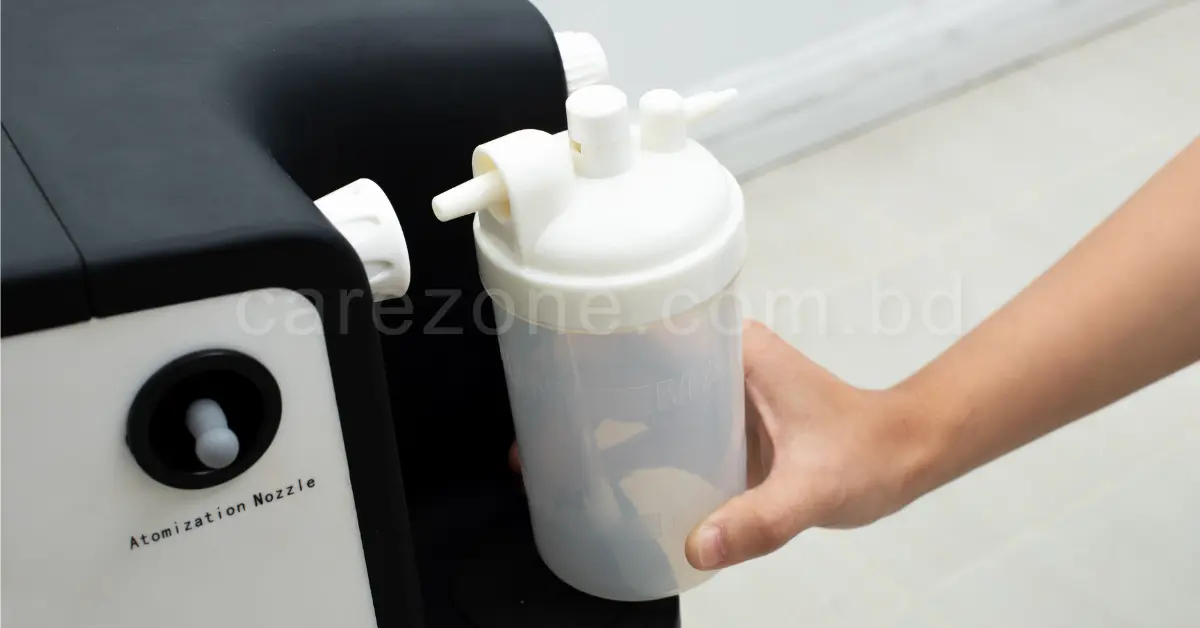
Do you or your patient need continuous oxygen support, but don’t know how to use oxygen machine at home? Don’t worry! You can operate it effortlessly from now.
If you are unsure about how to use an oxygen concentrator machine properly, that’s completely normal. Now learn what an oxygen concentrator is, how to set it up, and use it safely.
What Is an Oxygen Concentrator Machine and How Does It Work?
An oxygen concentrator machine is a medical device that takes surrounding air, filters and removes nitrogen, and delivers concentrated oxygen (90%–95% pure) to patients with low blood oxygen levels.
The device provides a continuous, electrically powered supply of pure oxygen without needing refills. Thus, it is ideal for long-term home oxygen therapy.
Inside the concentrator, air passes through molecular sieve material that separates nitrogen from oxygen. The resulting oxygen-enriched gas travels through tubing to the patient.
The device needs electricity to operate. It requires a continuous and reliable power source and an appropriate backup arrangement when power failure could interrupt oxygen therapy.
Unlike an oxygen cylinder, it does not store a fixed amount of compressed oxygen. Instead, it continuously processes room air while it is operating.
How to Use Oxygen Machine at Home – 12 Simple Steps
- Choose a well-ventilated area with a flat surface.
- Plug it into a safe electric power outlet.
- Turn on the machine. Make sure it’s working smoothly.
- Adjust the oxygen flow rate as prescribed by your doctor.
- Attach one end of the oxygen tube to the machine.
- Connect the other end to the nasal cannula or mask.
- Place it comfortably in your nose or over your face.
- Relax and start breathing normally.
- Monitor that the oxygen is being delivered properly.
- Check for any alarms or unusual sounds.
- Turn off the machine and unplug it safely after use.
- Regularly clean and maintain the machine as instructed.
Also read: How to Use an Oxygen Cylinder at Home
What Are the Precautions for Using Oxygen Concentrator?
- Do not smoke or allow open flames near your concentrator. Must keep the device away from any flammable materials and heat sources.
- Make electrical contacts correctly to prevent device damage. Keep your hands dry when plugging or unplugging.
- Must follow the prescribed flow rate given by the doctor. Do not change the oxygen flow without medical advice.
- Do not cover or block the device’s air vents during operation.
- The area around the concentrator must remain free of lubricants, oils, or any product containing alcohol.
- Do proper maintenance. Filters and nasal cannulas must be cleaned and maintained on a regular basis in accordance with the manufacturer’s guidelines.
- Don’t allow children to access the device.
Note: If possible, ensure a power backup system is available for uninterrupted operation. A sudden, unexpected stoppage could affect the patient’s safety. Alternatively, keep and maintain a medical oxygen cylinder as an emergency backup support for a critical patient.
Also read: How to Find a Reliable Oxygen Cylinder Shop
Must Keep Children and Pets Away
Oxygen tubing can attract children and pets because it is long and flexible. A child may pull the tubing, while a pet may chew it.
Keep the concentrator in a stable location where it cannot easily be knocked over. Route the tubing carefully through the room.
Teach children that the machine is medical equipment and not a toy. Keep them away from the controls.
If pets are present, check the tubing regularly for bite marks or other damage.
This is also important because damaged tubing may affect oxygen delivery. A small crack may not always be obvious, so inspect the equipment periodically.
If the patient is elderly, weak, or has limited mobility, make sure the tubing does not create an additional fall risk.
A safe setup should allow the patient to receive oxygen without having to navigate unnecessary obstacles.
What to Do During a Power Failure
A concentrator needs electricity, so you should have a plan for power interruptions.
If the patient relies on continuous oxygen, discuss a backup oxygen source with the healthcare professional. Depending on the situation, an appropriate oxygen cylinder may be used as backup.
WHO specifically notes that concentrators require a continuous and reliable power source and recommends a backup arrangement, such as a generator or oxygen cylinder, where needed.
Do not improvise an electrical connection. If your home experiences unstable voltage, ask a qualified technician or equipment supplier about appropriate protection for your specific machine.
If the concentrator has a battery, check how long the battery is expected to operate under the prescribed setting. Battery performance can vary by model and usage.
Keep backup equipment ready rather than stored in an inaccessible location.
If the patient develops severe breathing difficulty, confusion, bluish lips or skin, chest pain, or another emergency symptom, seek urgent medical attention. Do not rely on the concentrator or backup equipment as a substitute for emergency medical care.
Know the Warning Signs of a Machine Problem
You should become familiar with your concentrator’s normal operation. This makes it easier to notice changes.
Contact the supplier or a qualified technician if you notice persistent alarms, unusual noises, overheating, repeated shutdowns, damaged tubing, or other abnormal behavior.
A sudden change in oxygen delivery should also be taken seriously. Check the obvious connections and tubing first, but do not attempt complex repairs yourself.
If the patient develops worsening breathing difficulty despite using prescribed oxygen, do not assume the machine is the only cause. The patient’s medical condition may have changed.
Seek medical advice promptly when symptoms are concerning. Emergency symptoms require urgent medical evaluation.
Keep the user manual and supplier contact information somewhere easy to find. Family members and caregivers should know where these are located.
Good preparation can save valuable time when something unexpected happens.
Clean and Maintain the Oxygen Concentrator Regularly
Routine maintenance helps keep the concentrator working properly.
Follow the manufacturer’s cleaning schedule. External surfaces can generally be cleaned according to the device instructions, while filters and other components should be maintained or replaced as specified.
Do not pour water into the machine or attempt to clean internal electrical components yourself.
WHO has specific guidance on the care, cleaning, and disinfection of oxygen concentrators and notes that oxygen-delivery consumables such as patient interfaces and tubing may require appropriate handling and disposal according to applicable procedures.
Maintenance requirements vary by model. Some machines may require filter cleaning at specific intervals. Others may require professional inspection or replacement of internal components.
Keep a record of scheduled servicing if the machine is used frequently. Ask the supplier about preventive maintenance and where the device can be serviced.
If oxygen concentration needs professional verification, use a qualified technician with appropriate equipment. WHO technical guidance emphasizes the importance of maintenance and monitoring of concentrator performance.
Do not wait until the machine stops working before arranging maintenance.
Also read: Benefits of Using an Oxygen Concentrator
Final Words
Using an oxygen machine at home may seem difficult at first, but you can manage it with the right approach. Remember, it may become part of your daily routine over time.
Just follow the steps carefully. Always use the machine as your doctor advised to stay safe and ensure the best results. Also, make sure the device stays clean and well-maintained.
If you ever feel unsure or if something feels wrong, don’t hesitate to ask for help from your oxygen concentrator provider. Stay comfortable when using the oxygen machine.
Frequently Asked Questions
Yes. If you are prescribed oxygen while sleeping, you can use. Make sure the tubing is positioned safely and cannot become tangled. Keep the concentrator ventilated and away from flames or smoking. Follow the specific instructions provided with your device.
No. You should never smoke while using oxygen, and other people should not smoke near the patient or oxygen equipment. Oxygen supports combustion, enabling fires to start and spread rapidly. Keep cigarettes, lighters, candles, and open flames away from the oxygen setup.
WHO guidance recommends positioning an oxygen concentrator at least 30 cm from walls or curtains to prevent the air inlet from being blocked. Your manufacturer's instructions may specify additional clearance requirements. Keep the machine in a well-ventilated area while operating.