Blog
How to Use a Pulse Oximeter at Home

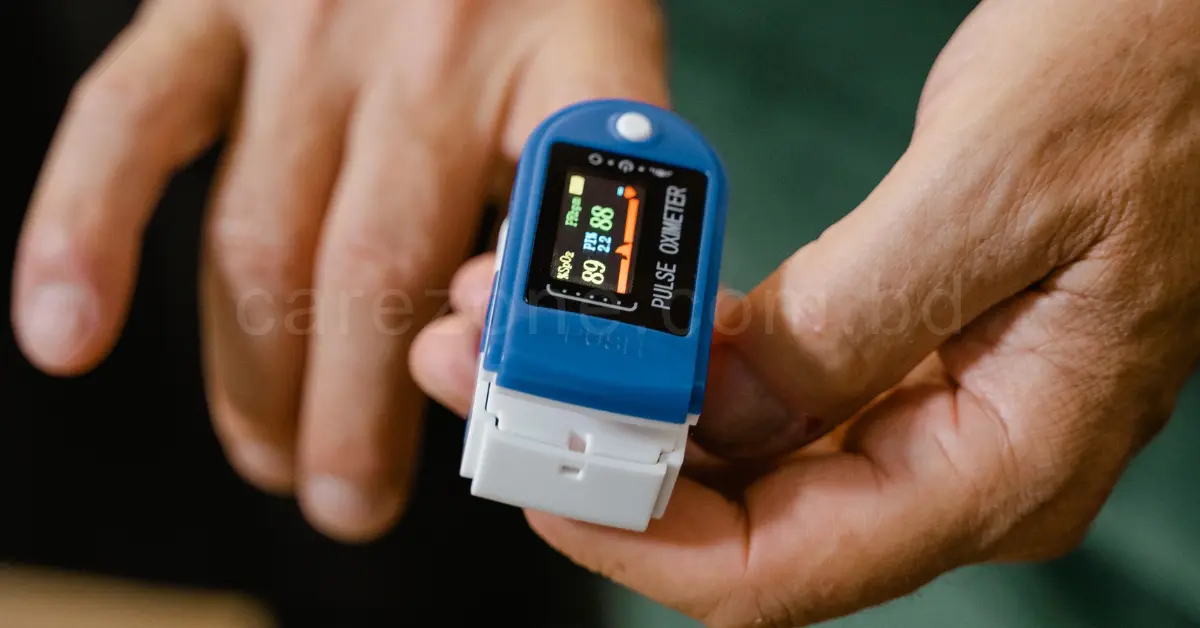
A pulse oximeter helps you check your oxygen level and pulse rate in just a few seconds. But using it the right way matters. If you don’t use it correctly, the reading may not be accurate.
In this guide, I will show you how to use a pulse oximeter step by step. You’ll also learn what mistakes to avoid and how to understand your results easily.
How to Use a Pulse Oximeter at Home Correctly – 5 Easy Steps
To get the most accurate results, follow these tips:
1. Rest your hand before using the device
Before taking a reading, sit calmly for a few minutes and keep your hand relaxed at heart level. This helps stabilize your blood flow and ensures the pulse oximeter gives a more accurate measurement.
2. Do not move or shake your finger
Movement can interfere with the sensor’s ability to detect blood oxygen saturation properly. Keep your finger still while the reading is being taken. Usually, for 10–20 seconds until the numbers stabilize.
3. Remove nail polish before using
Nail polish, especially dark colors, can block the light sensor used in pulse oximeters. This may lead to incorrect readings. Clean, bare nails allow the device to measure your oxygen levels more precisely.
4. Use the same finger each time for consistency
Different fingers can sometimes give slightly different readings. To track changes accurately over time, always use the same finger (commonly the index or middle finger) for every measurement.
5. Take multiple readings and use the average
Don’t rely on a single reading. Take 2–3 measurements, a few seconds apart, and calculate the average. This reduces the chance of random errors and gives a more reliable result.
In short, consistency, stillness, and proper preparation are key to getting accurate readings at home. Remember, clearly understanding how to use a pulse oximeter can prevent wrong results and worries.
Why Should You Use a Pulse Oximeter at Home?
Health monitoring at home is becoming a common habit. People now realize the importance of early detection. If your oxygen level drops, your body doesn’t get enough oxygen, which can be dangerous. With a pulse oximeter, you can notice problems early and seek medical help on time. It’s especially useful for:
- Seniors
- People with respiratory or cardiac diseases
- Athletes
- Children with asthma
- Post-COVID recovery patients
So, have one at home to ensure your peace of mind. And choose the right pulse oximeter to ensure the optimum benefits.
Who Should Not Rely Solely on a Pulse Oximeter?
Oximeters are helpful, but they aren’t replacements for medical tests. People with poor circulation, thick skin, or very dark nail polish may get inaccurate readings. If your results seem unusual, consult a doctor.
Pulse Oximeter vs Other Monitoring Devices
While pulse oximeters measure oxygen saturation and pulse, they are often used alongside:
- Blood pressure monitors
- Glucometers
- Thermometers
Using all these tools together gives a more complete view of your health. But among them, the pulse oximeter offers the quickest feedback for respiratory issues.
Final Words
Using a pulse oximeter at home is a simple, safe, and effective way to monitor your blood oxygen levels and pulse rate. So, follow the proper steps to obtain more accurate readings. And don’t forget to choose a trusted pulse oximeter seller that offers quality devices at competitive prices.