Blog
How to Use Blood Pressure Monitor at Home

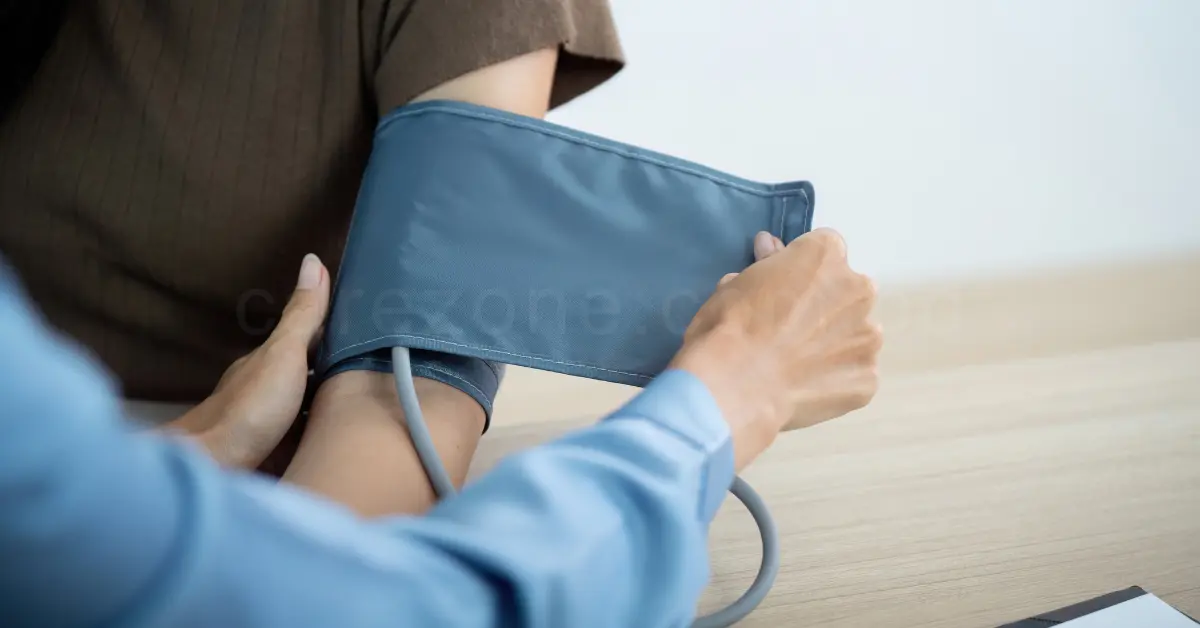
You can track your heart health regularly without visiting a clinic or hospital! Just monitor your blood pressure easily with a blood pressure monitor. But how to use blood pressure monitor at home?
Learn how to properly use a blood pressure machine at home step by step. Also, get practical tips to avoid common mistakes and ensure accurate readings while measuring your blood pressure.
How to Use Blood Pressure Monitor at Home – Digital & Analog
It is easy to use a blood pressure monitor at home if you know the correct method. Both digital and analog monitors can provide reliable readings if you use them properly. Follow the separate instructions (for digital and analog models) below step-by-step to measure your blood pressure accurately.
How to Use Digital Blood Pressure Monitor at Home?
- Sit quietly for five minutes.
- Place your feet flat on the floor.
- Rest your arm on a table.
- Wrap the cuff around your bare upper arm.
- Keep the cuff at heart level.
- Press the start button.
- Stay still and don’t talk.
- Wait for the reading to finish.
- Note the systolic, diastolic, and pulse.
- Turn off the machine.
Note: Do a little practice to use a digital blood pressure machine more effectively.
How to Use Analog Blood Pressure Monitor at Home?
- Sit quietly and relax for five minutes.
- Place your arm on a table.
- Wrap the cuff around your upper arm.
- Position the stethoscope over your brachial artery.
- Close the valve on the bulb.
- Pump the bulb to inflate the cuff.
- Inflate until 20–30 mmHg above the expected systolic.
- Slowly release the valve.
- Listen for the first heartbeat sound. That’s systolic.
- Keep deflating.
- Note when the sound disappears. That’s diastolic.
- Record the reading.
Note: Do a little practice to use an analog blood pressure monitor more effectively.
- Poor planning and preparation
- Improper body posture and positioning
- Incorrect arm position during measurement
- Using an uncalibrated monitor
- Using the wrong-sized cuff
- Incorrect cuff placement on the arm
- Placing the cuff over clothing
- Talking or moving during measurement
- Taking only one reading
- Measuring at different times every day
Note: The effect of common mistakes on blood pressure readings is significant; such as talking can increase a reading by up to 19 mmHg, while crossed legs can increase it by up to 15 mmHg.
Also read: How to Find the Best Blood Pressure Monitor
Conclusion
Blood pressure monitoring at home allows you to detect changes early and share accurate readings with your doctor for better treatment and care. But if you are not sure how to use blood pressure machine at home correctly, you may get inaccurate results and face further consequences.
So, learn the right method, follow the steps properly, and avoid common mistakes completely to get reliable readings with confidence. Ensure the results you get truly reflect your health condition. Monitor regularly to understand your blood pressure patterns and detect any unusual changes early.